
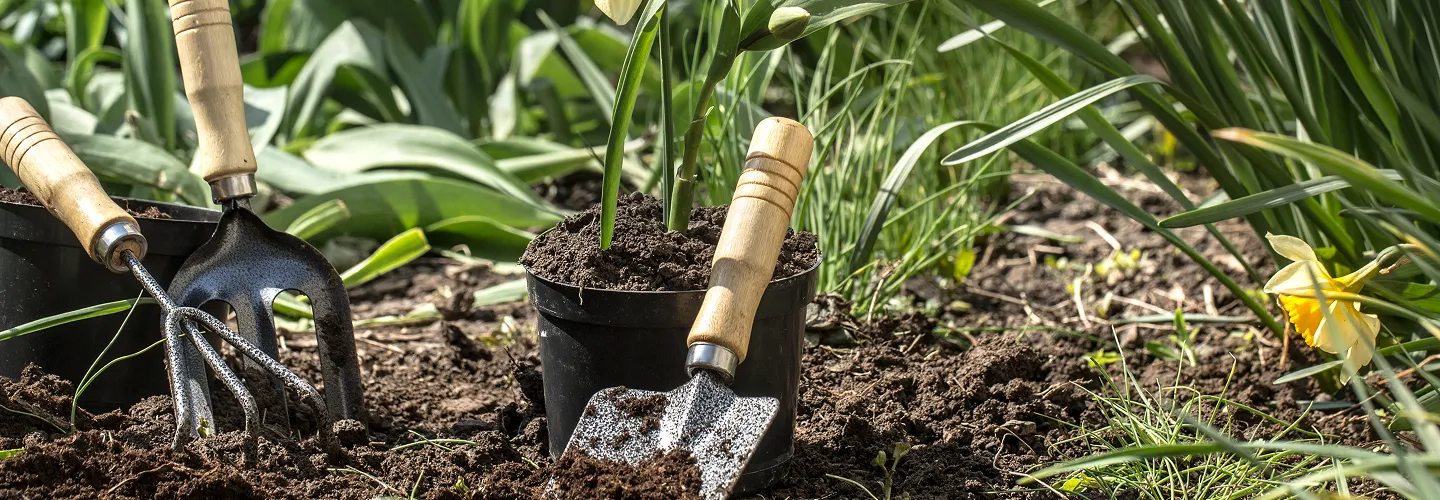
Fort Myers Shores Flower Planting Services
Choose our flower planting services for vibrant, long-lasting blooms and expert care that transforms your landscape into a colorful oasis.
Get a Free QuoteOur Fort Myers Shores Landscaping & Yard Care Services
When to Schedule Flower Planting in Fort Myers Shores, Florida – Seasonal Guide
In Fort Myers Shores, Florida, timing your flower planting is crucial for vibrant, long-lasting blooms. The region’s subtropical climate means mild winters and hot, humid summers, so the best planting windows are typically late winter through early spring and again in early fall. Planting during these periods allows flowers to establish strong roots before the peak summer heat or the rare cold snap. Neighborhoods near the Caloosahatchee River, such as River Forest and Orange River Estates, often benefit from slightly cooler breezes and richer alluvial soils, which can extend the planting season compared to more inland areas.
Local environmental factors play a significant role in determining the optimal planting schedule. For example, the last frost date in Fort Myers Shores usually falls in late January, making February a safe starting point for most annuals and perennials. High humidity and the risk of summer droughts mean that soil moisture retention and shade coverage—especially under the mature oaks common in Buckingham Park—should be considered. For more detailed local guidelines, consult resources like the Town of Sudbury’s environmental recommendations, which offer valuable insights even for our unique Florida conditions.
Local Factors to Consider for Flower Planting in Fort Myers Shores
- Tree density and available shade, especially in neighborhoods with mature landscaping
- Soil type and drainage, which can vary between riverfront and inland properties
- Seasonal precipitation patterns and risk of summer drought
- Proximity to water sources like the Caloosahatchee River
- Municipal restrictions or HOA guidelines on landscaping
- Terrain variations, such as low-lying areas prone to flooding
Benefits of Flower Planting in Fort Myers Shores
Expert Local Knowledge
Customized Landscape Designs
Seasonal Plant Selection
Enhanced Curb Appeal
Eco-Friendly Practices
Reliable Maintenance Services
Fort Myers Shores Flower Planting Types

Annual Flower Beds
-
Perennial Garden Design
-
Native Wildflower Plantings
-
Seasonal Color Rotations
-
Pollinator-Friendly Gardens
-
Shade-Loving Flower Arrangements
-
Drought-Tolerant Flower Selections
Our Flower Planting Process
Site Evaluation
Soil Preparation
Flower Selection
Planting
Watering and Mulching
Why Choose Fort Myers Shores Landscape Services
Fort Myers Shores Homeowners Trust Us
-
Comprehensive Lawn Maintenance
-
Reliable Irrigation Solutions
-
Expert Tree and Shrub Care
-
Seasonal Clean-Up Services
-
Pest and Weed Control
-
Competitive Pricing
-
Satisfaction Guarantee
Coordinating Flower Planting Projects with Lee County Departments in Fort Myers Shores
Fort Myers Shores is an unincorporated community within Lee County, meaning all land-use oversight, landscaping guidance, and development review fall under county-level departments rather than a municipal government. Residents and property managers planning flower planting projects should coordinate with Lee County's Department of Community Development when planting involves site modifications near rights-of-way, drainage easements, or areas subject to development review. For properties adjacent to county-maintained parks, medians, or public greenspaces, the Lee County Parks and Recreation Department can provide guidance on species compatibility and planting standards that align with public landscape management.
- Verify whether planting near swales, canal banks, or utility easements requires coordination with county departments before beginning work
- Confirm that flower bed installations along road frontage do not encroach into county rights-of-way
- Review any HOA or deed-restriction requirements that may govern plant species, bed placement, or height limits in specific subdivisions
Lee County Department of Community Development
1500 Monroe Street, Fort Myers, FL 33901
Official Website: Lee County Department of Community Development
Lee County Parks and Recreation
Official Website: Lee County Parks and Recreation
How Fort Myers Shores's Gulf Coast Climate and Sandy Soils Shape Flower Planting
Fort Myers Shores sits within USDA Hardiness Zone 10a, positioned along the Gulf Coast corridor of Southwest Florida. This classification supports a wide range of tropical and subtropical flowering species, but the local environment presents specific challenges that directly affect planting success. The area's soils are predominantly sandy with low organic matter and limited nutrient-holding capacity, meaning amendments such as composted organic material are typically necessary to support healthy root establishment. The USDA Web Soil Survey can help property owners identify the specific soil series present on their parcels.
- Heat intensity: Summer temperatures regularly exceed 90°F with high humidity, placing significant stress on newly installed flowers and requiring careful species selection for sun-exposed beds
- Wet-season saturation: From June through October, heavy afternoon thunderstorms can waterlog poorly drained beds, promoting root rot in species not adapted to periodic inundation
- Dry-season irrigation dependence: November through May brings substantially reduced rainfall, making supplemental irrigation essential for flower bed survival; residents should review current watering restrictions through the South Florida Water Management District and Lee County Utilities
- Nutrient leaching: Sandy soils allow fertilizer to move rapidly through the root zone and into groundwater or nearby canals, requiring slow-release formulations and careful application timing
Navigating Lee County's Regulatory Framework for Flower Planting Compliance
Flower planting in Fort Myers Shores must account for several layers of regulatory context at the county, state, and federal levels. While routine residential flower bed installation does not typically require a permit, projects that involve grading changes, irrigation system modifications, or planting within drainage easements or canal setback areas may trigger review through Lee County's zoning or community development offices. Property owners should verify current zoning requirements through Lee County Zoning before undertaking large-scale bed installations.
- Any chemical treatments applied to flower beds—including pre-emergent herbicides or systemic insecticides—must comply with Florida Statutes Chapter 487, which governs pesticide regulation and safety; commercial applicators must hold valid FDACS pesticide applicator licenses
- Fertilizer applications near flower beds should follow the model ordinance framework established under Florida Statutes §403.9337, which restricts nitrogen and phosphorus application near waterways and during certain periods
- Soil, mulch, and plant debris must not be deposited into swales, canal banks, storm drains, or retention areas, consistent with the Florida DEP NPDES Stormwater Program and federal Clean Water Act protections
- Properties within flood-prone zones or adjacent to canal systems should confirm that bed construction does not impede drainage flow or alter stormwater conveyance
Timing Flower Planting Around Fort Myers Shores's Wet Season and Heat Cycles
Professional flower planting in Fort Myers Shores follows seasonal windows dictated by the region's subtropical climate. The optimal primary planting window falls between October and early December, when temperatures moderate from summer extremes, rainfall begins to taper, and newly installed plants can establish root systems before the dry season's peak irrigation demand. A secondary planting window occurs in March and April, allowing warm-season annuals and perennials to establish before the onset of heavy summer rains.
- Soil preparation: Amend sandy native soils with composted organic matter to a depth of approximately 6–8 inches to improve moisture retention and nutrient availability; avoid importing fill material that may contain weed seeds or contaminants
- Species selection: Region-appropriate choices for Fort Myers Shores include pentas, lantana, plumbago, firebush, blanket flower, and African iris, all of which tolerate the area's heat, humidity, and sandy conditions as identified through the USDA Plant Hardiness Zone Map
- Irrigation coordination: Install drip emitters or micro-spray heads within flower beds rather than relying on overhead turf irrigation, which wastes water and promotes foliar disease in humid conditions
- Mulch application: Apply 2–3 inches of organic mulch around plantings to moderate soil temperature, reduce evaporation, and suppress weed germination; keep mulch pulled back from plant stems to prevent crown rot
- Post-planting monitoring: Check new installations daily during the first two weeks for signs of wilting, pest damage, or irrigation gaps, adjusting watering frequency based on rainfall and soil moisture rather than a fixed schedule
What Neighborhoods Do We Serve Throughout Fort Myers Shores, FL?
- Fort Myers Shores proper: This established residential core features mature lots with mixed sun and shade exposure, requiring careful flower species selection to match existing canopy conditions and older irrigation infrastructure
- Caloosahatchee-adjacent properties: Homes near the Caloosahatchee River corridor face elevated drainage sensitivity and potential canal setback requirements, making runoff-conscious bed placement and slow-release fertilizer use particularly important
- Palm Beach Boulevard corridor: Properties along this primary corridor often have compacted fill soils from commercial and residential development, necessitating thorough soil amendment before flower bed installation
- Tice area: This neighboring community shares similar sandy soil profiles and drainage patterns, with many lots featuring older landscaping that benefits from updated flower plantings integrated with existing shrub beds
- Suncoast Estates: Larger residential parcels in this area provide more flexibility for expansive flower bed designs, though irrigation coverage should be verified given the distance from structures to property edges
- Buckingham Road vicinity: Properties in this transitional area between suburban development and more rural parcels may encounter variable soil conditions and should confirm drainage patterns before establishing new planting beds