
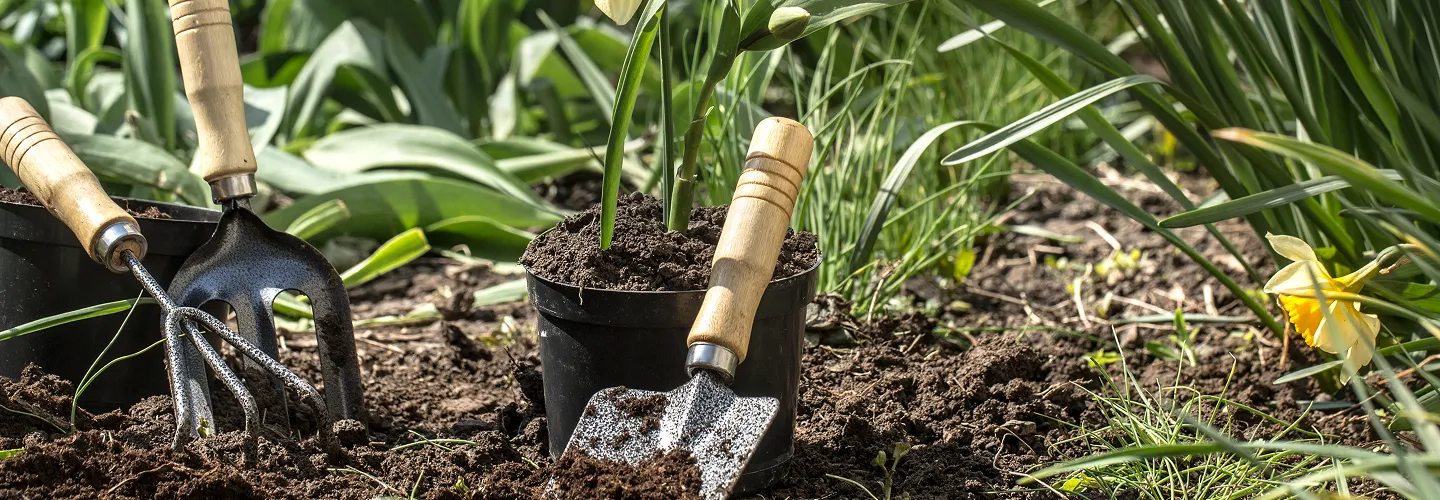
Fort Myers Shores Green Waste Disposal Services
Choose our Green Waste Disposal service for reliable, environmentally responsible removal that keeps your property beautiful and supports a healthier planet.
Get a Free QuoteOur Fort Myers Shores Landscaping & Yard Care Services
When to Schedule Green Waste Disposal in Fort Myers Shores, Florida – Seasonal Guide
In Fort Myers Shores, the timing of green waste disposal is closely tied to our unique subtropical climate and the rhythms of local landscaping needs. The optimal periods for scheduling green waste removal are typically late winter through early spring, just after the last frost date, and again in late summer before hurricane season peaks. These windows allow homeowners in neighborhoods like River Forest and Orange River Estates to clear away storm debris, fallen branches, and seasonal yard trimmings efficiently, minimizing the risk of pest infestations and promoting healthy regrowth.
Local environmental factors such as high humidity, sandy soils, and the prevalence of shade from mature oaks and palms all play a role in determining the best disposal schedule. For example, areas near the Caloosahatchee River may experience higher moisture levels, accelerating organic waste decomposition but also increasing the need for timely removal to prevent mold and mildew. Additionally, municipal guidelines and community resources can provide up-to-date information on collection schedules and restrictions specific to Fort Myers Shores.
Local Factors to Consider for Green Waste Disposal in Fort Myers Shores
- Tree density and types of vegetation (e.g., palms, oaks, tropical shrubs)
- Proximity to water bodies like the Caloosahatchee River
- Seasonal precipitation patterns and hurricane risk
- Soil composition and drainage characteristics
- Municipal collection schedules and local disposal regulations
- Neighborhood-specific shade coverage and microclimates
Benefits of Green Waste Disposal in Fort Myers Shores
Eco-Friendly Landscaping Solutions
Efficient Green Waste Removal
Promotes Healthy Plant Growth
Reduces Landfill Waste
Enhances Curb Appeal
Supports Local Sustainability
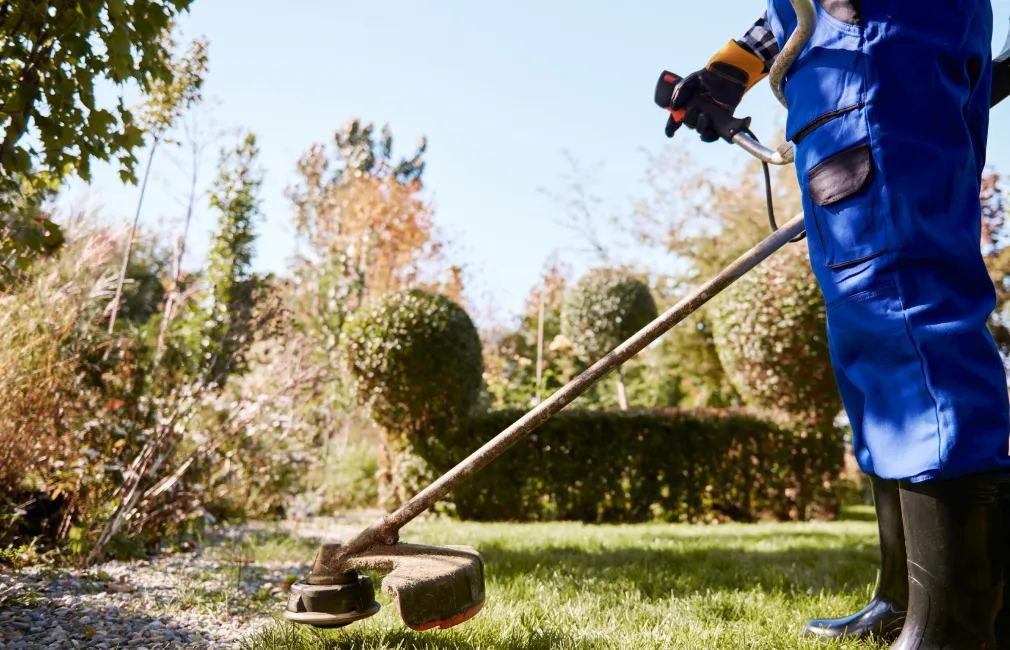
Fort Myers Shores Green Waste Disposal Types

Yard Clippings Removal
-
Tree Limb Disposal
-
Leaf Collection Services
-
Brush and Shrub Clearing
-
Grass Clipping Pickup
-
Garden Debris Hauling
-
Mulch and Compost Recycling
Our Green Waste Disposal Process
Collection of Green Waste
Sorting and Separation
Transport to Disposal Facility
Eco-Friendly Processing
Why Choose Fort Myers Shores Landscape Services
Fort Myers Shores Homeowners Trust Us
-
Comprehensive Lawn Maintenance
-
Reliable Irrigation Solutions
-
Expert Tree and Shrub Care
-
Seasonal Clean-Up Services
-
Pest and Weed Control
-
Competitive Pricing
-
Satisfaction Guarantee
Coordinating Green Waste Disposal Through Lee County Services in Fort Myers Shores
Fort Myers Shores is an unincorporated community within Lee County, meaning green waste disposal coordination falls under county-level departments rather than a municipal public works office. Residents and property managers should verify current curbside vegetative debris collection schedules, accepted material types, and bundling or containerization requirements directly through Lee County's solid waste division. Green waste typically includes grass clippings, leaves, palm fronds, small branches, and other organic landscape debris generated during routine property maintenance.
- Vegetative debris placed at the curb must generally be separated from household trash and recyclables.
- Branches and limbs often require cutting to manageable lengths and bundling or loose-stacking within designated areas along the right-of-way.
- Grass clippings and loose leaves should be placed in approved containers rather than left in drainage swales or near canal banks.
- Commercial landscape operators hauling green waste from Fort Myers Shores properties should confirm whether county transfer station access or permitted disposal facilities apply to their volume.
Property owners uncertain about collection logistics or drop-off options should contact Lee County directly for current guidance.
Lee County Government
2115 Second Street, Fort Myers, FL 33901
Official Website: Lee County Government
How Fort Myers Shores's Gulf Coast Climate Shapes Green Waste Volume
Fort Myers Shores sits within the Gulf Coast Florida climate zone, classified under USDA Hardiness Zone 10a, where subtropical heat, high humidity, and a pronounced wet season from roughly June through October drive aggressive vegetation growth. These conditions directly affect the volume and frequency of green waste generated on residential and commercial properties.
- Rapid turf and shrub growth: St. Augustinegrass, the dominant turf species in the area, grows vigorously during the warm, wet months, producing substantial clipping volume that requires consistent disposal management.
- Palm frond and tropical debris: Sabal palms, coconut palms, and ornamental tropicals shed fronds year-round, with heavier drop during storm events and seasonal wind shifts.
- Sandy, low-retention soils: The predominantly sandy soils common throughout Fort Myers Shores—often Immokalee or similar fine sand series—drain quickly but contribute to nutrient leaching when organic debris decomposes near drainage features.
- High water table sensitivity: Much of the community sits near the Caloosahatchee River corridor, where elevated water tables and adjacent canal systems make it critical to prevent green waste from entering waterways or obstructing drainage flow.
Seasonal storm activity, particularly between August and October, can generate sudden surges of vegetative debris that exceed normal disposal capacity.
Navigating Lee County's Regulatory Framework for Green Waste Disposal
Green waste disposal in Fort Myers Shores must comply with several overlapping regulatory layers at the county, state, and federal levels. Lee County's Department of Community Development oversees land-use and site-related compliance, while stormwater protection requirements apply to any activity that could introduce organic material into the county's drainage infrastructure.
- Depositing green waste into canals, swales, retention ponds, or storm-drain inlets violates stormwater management standards enforced under the Florida DEP NPDES Stormwater Program and the federal Clean Water Act.
- Decomposing vegetation left in drainage features contributes nutrient loading—particularly nitrogen and phosphorus—into downstream waterways, including the Caloosahatchee River and ultimately Charlotte Harbor.
- Lee County's tree requirements may apply when green waste results from tree removal or significant pruning on developed parcels; property owners should verify whether review or documentation is required before disposing of material from protected or specimen trees.
- Commercial operators transporting green waste should confirm compliance with any county hauling or disposal facility requirements to avoid code enforcement action.
Lee County Department of Community Development
1500 Monroe Street, Fort Myers, FL 33901
Official Website: Lee County Department of Community Development
Residents can also reference UF/IFAS guidance on protecting Florida's water resources for best practices on managing organic landscape debris near sensitive waterways.
Timing and Methods for Green Waste Disposal in Fort Myers Shores's Wet and Dry Seasons
Professional standards for green waste disposal in Fort Myers Shores vary significantly between the wet season and the cooler, drier months. Proper timing and handling reduce environmental risk and improve disposal efficiency.
- Wet season (June–October): Mowing, hedging, and pruning generate peak green waste volumes. Schedule disposal promptly after service to prevent saturated debris from clogging swales or washing into canal systems during afternoon thunderstorms. Avoid stockpiling organic material on low-lying areas of the property where standing water may accumulate.
- Dry season (November–May): Reduced growth rates lower overall volume, but palm frond drop and leaf litter from deciduous ornamentals still require regular collection. Dry debris is lighter and easier to bundle but poses a fire risk if accumulated near structures or fences.
- Storm preparation: Before tropical weather events, prioritize clearing loose branches, dead fronds, and accumulated yard debris to reduce windborne hazards. Post-storm green waste surges may require coordination with Lee County's emergency debris management protocols.
Lee County Emergency Services
Official Website: Lee County Emergency Services
All green waste should be kept clear of stormwater discharge points regulated under EPA municipal stormwater programs. Grass clippings, in particular, should never be blown or raked into street gutters, curb inlets, or roadside swales.
What Neighborhoods Do We Serve Throughout Fort Myers Shores, FL?
- Fort Myers Shores proper: This established residential core along the Caloosahatchee River features mature landscaping, large shade trees, and canal-adjacent lots that generate consistent green waste requiring careful disposal away from waterway edges.
- Bayshore: Properties in this area often include older plantings and mixed tropical vegetation on sandy soils, producing regular palm frond and shrub debris throughout the growing season.
- Tice: Located nearby with a mix of residential lot sizes and commercial parcels, Tice properties frequently require coordinated green waste removal due to dense vegetation and limited curbside staging space.
- Buckingham: Larger rural-residential lots in Buckingham generate higher volumes of brush and tree debris, often necessitating hauling to county disposal facilities rather than relying solely on curbside collection.
- Olga: This community along the river corridor includes waterfront and canal-front properties where green waste management must account for proximity to sensitive drainage and surface water features.
- Riverside: Residential parcels here feature established canopy trees and ornamental beds that produce seasonal leaf litter and pruning debris requiring regular disposal coordination.