
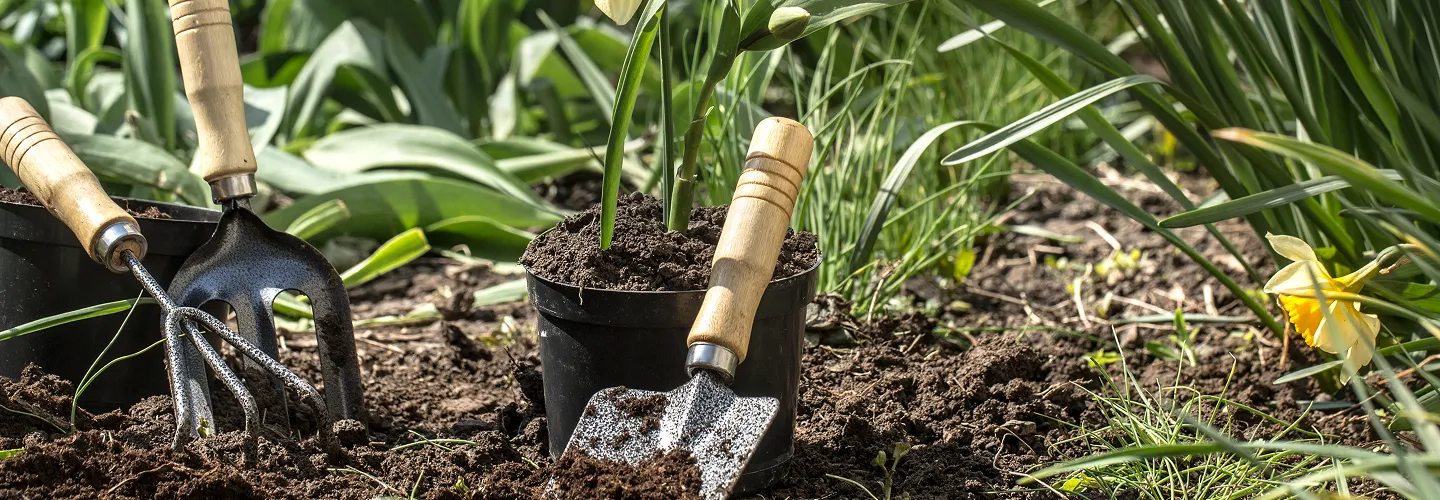
Fort Myers Shores Lawn Seeding Services
Choose our expert lawn seeding services for a greener, healthier yard—our team uses premium seed blends and proven techniques to ensure thick, vibrant grass that thrives in Fort Myers Shores’ unique climate.
Get a Free QuoteOur Fort Myers Shores Landscaping & Yard Care Services
When to Schedule Lawn Seeding in Fort Myers Shores, Florida – Seasonal Guide
In Fort Myers Shores, timing your lawn seeding is crucial for achieving a lush, healthy yard that thrives in our unique Southwest Florida climate. The best periods for seeding are typically late spring and early fall, when soil temperatures are warm enough to encourage rapid germination but before the peak of summer heat or winter's occasional chill. Neighborhoods near the Caloosahatchee River or around Orange River Boulevard often experience microclimates, so it's important to consider your specific location when planning.
Local environmental factors such as high humidity, sandy soils, and the risk of late-season droughts can all impact the success of your seeding project. Areas with dense shade from mature oaks or palms, like those found near Riverdale High School, may require specialized seed blends. Always check for any municipal watering restrictions before starting your project—these can affect both timing and aftercare. For more information on local guidelines, visit the official town website.
Local Factors to Consider for Lawn Seeding in Fort Myers Shores
- Tree density and shade coverage
- Soil composition (sandy vs. loamy)
- Proximity to water bodies and flood risk
- Typical precipitation patterns and drought risk
- Municipal watering or landscaping restrictions
- Terrain slope and drainage characteristics
Benefits of Lawn Seeding in Fort Myers Shores
Thicker, Healthier Lawns
Improved Curb Appeal
Enhanced Weed Resistance
Cost-Effective Lawn Solutions
Customized Seeding Plans
Expert Local Knowledge

Fort Myers Shores Lawn Seeding Types

Bermuda Grass Seeding
-
Zoysia Grass Seeding
-
St. Augustine Grass Seeding
-
Centipede Grass Seeding
-
Bahia Grass Seeding
-
Fescue Grass Seeding
-
Ryegrass Seeding
Our Lawn Seeding Process
Site Preparation
Soil Testing
Seed Selection
Seeding Application
Watering and Maintenance
Why Choose Fort Myers Shores Landscape Services
Fort Myers Shores Homeowners Trust Us
-
Comprehensive Lawn Maintenance
-
Reliable Irrigation Solutions
-
Expert Tree and Shrub Care
-
Seasonal Clean-Up Services
-
Pest and Weed Control
-
Competitive Pricing
-
Satisfaction Guarantee
Coordinating Lawn Seeding Projects with Lee County Departments in Fort Myers Shores
Fort Myers Shores is an unincorporated community within Lee County, meaning residents and property managers coordinate lawn seeding activities through county-level departments rather than a municipal government. Before initiating any seeding project that involves grading, irrigation modifications, or work near drainage swales and canal easements, property owners should confirm whether site-specific review is required through the Lee County Department of Community Development. Projects that alter existing drainage patterns or disturb soil within rights-of-way or utility easements may trigger additional coordination with county engineering or transportation staff. Residents served by Lee County Utilities should also verify current irrigation account status and any applicable watering restrictions before scheduling seed establishment irrigation.
- Confirm whether grading or drainage modifications associated with lawn seeding require review through Lee County's development services
- Verify irrigation service status and watering schedules with Lee County Utilities before beginning establishment watering
- Coordinate with county transportation staff if seeding work affects swale areas or rights-of-way along county-maintained roads
Lee County Department of Community Development
1500 Monroe Street, Fort Myers, FL 33901
Official Website: Lee County Department of Community Development
Lee County Utilities
Official Website: Lee County Utilities
How Fort Myers Shores's Gulf Coast Climate and Sandy Soils Affect Lawn Seeding
Fort Myers Shores sits within USDA Hardiness Zone 10a, positioned along the Gulf Coast of Southwest Florida where subtropical heat, high humidity, and a pronounced wet season from June through October define the growing environment. These conditions directly influence lawn seeding outcomes in several critical ways. The area's predominantly sandy, well-drained soils—common throughout Lee County's inland subdivisions—allow rapid water infiltration but also promote nutrient leaching, making it difficult for newly seeded turf to retain moisture and fertilizer during establishment. The USDA Web Soil Survey can help property owners identify specific soil characteristics on their parcels.
- High summer temperatures regularly exceed 90°F with intense solar radiation, which can desiccate exposed seed beds within hours if irrigation is inadequate
- Sandy soil profiles drain quickly, requiring frequent but light irrigation cycles to maintain consistent seed-to-soil moisture without causing runoff into nearby canals and retention areas
- Wet-season rainfall delivers heavy, often unpredictable downpours that can wash unseeded or freshly seeded areas, carrying sediment and seed into swales and storm drainage infrastructure
- Humidity and fungal pressure create conditions favorable to seedling diseases such as pythium and brown patch, particularly when overwatering coincides with warm nighttime temperatures
- The high water table common in low-lying portions of Fort Myers Shores can saturate root zones during the wet season, complicating seed germination timing
Understanding these conditions through resources such as the UF/IFAS Gardening Solutions - Lawns page is essential for selecting appropriate turf species and establishment methods.
Navigating Fort Myers Shores's Regulatory Requirements for Lawn Seeding Compliance
Lawn seeding in Fort Myers Shores falls under Lee County's land development and environmental regulations. While routine overseeding of an existing residential lawn typically does not require a permit, projects involving significant soil disturbance, regrading, or work adjacent to environmentally sensitive areas may require review. Property owners should be aware of the following regulatory considerations:
- Any lawn seeding project that involves land clearing or soil movement exceeding county thresholds should be reviewed through Lee County Zoning to confirm compliance with setback, buffer, and land-use requirements
- Fertilizer applications associated with lawn seeding must comply with Lee County's fertilizer ordinance, which restricts nitrogen and phosphorus application during the summer rainy season; residents can verify local ordinance details through the Florida-Friendly Fertilizer Ordinances App
- Stormwater protection under the Florida DEP NPDES Stormwater Program requires that sediment, seed material, and fertilizer granules be kept out of storm drains, canals, and retention systems
- Pesticide or herbicide applications used in conjunction with lawn seeding preparation must be performed by individuals holding appropriate credentials through the FDACS Pesticide Applicator Certification and Licensing program
Lee County Department of Transportation
Official Website: Lee County Department of Transportation
Timing Lawn Seeding Around Fort Myers Shores's Wet Season and Heat Cycles
Successful lawn seeding in Fort Myers Shores depends on aligning establishment windows with the area's subtropical climate patterns. Unlike cooافت northern regions where cool-season grasses dominate, Southwest Florida's turf palette is limited to warm-season species that establish most effectively during active growth periods. Seeding is generally less common than sodding for species such as St. Augustinegrass, which does not produce viable seed commercially. However, bahiagrass and bermudagrass are commonly established from seed in this region and respond well when planted during the late spring through early summer transition, just as warm-season growth accelerates and before the heaviest wet-season rains arrive.
- Optimal seeding window: Late April through early June allows seed germination to benefit from rising soil temperatures and increasing rainfall without the full intensity of mid-summer storms
- Seed-to-soil contact is critical in sandy soils; light rolling or raking after broadcasting ensures seeds are not left exposed to wind displacement or surface wash
- Irrigation during establishment should follow a frequent, light-application schedule—typically multiple short cycles per day—to keep the top layer of soil consistently moist without saturating the root zone or generating runoff; verify current watering restrictions with the South Florida Water Management District, as schedules may vary by drought stage and utility provider
- Turf species selection should reflect Fort Myers Shores's conditions: bahiagrass tolerates the area's sandy, low-fertility soils and requires less irrigation once established, while bermudagrass offers denser coverage but demands more water and nutrient input
- Avoid seeding during the peak of the wet season (July through September) when heavy rainfall events can erode prepared seed beds and promote fungal disease in seedlings, as noted in UF/IFAS Lawn Maintenance and Care guidance
Comparing seeding with sod installation is advisable for properties where rapid coverage is needed to prevent erosion near canals, swales, or sloped areas.
What Neighborhoods Do We Serve Throughout Fort Myers Shores, FL?
- Fort Myers Shores proper — This established residential core features older lots with mature tree canopy and sandy soils that may require soil amendment before seeding to improve moisture retention and seed contact.
- Caloosahatchee Estates — Properties along and near the Caloosahatchee River corridor face elevated water table conditions and potential flooding, making seed establishment timing and drainage assessment particularly important.
- Tice — This adjacent community includes a mix of residential lot sizes with variable irrigation infrastructure; seeding projects here should account for compacted fill soils common in older subdivisions.
- Buckingham — Larger rural and semi-rural parcels in this area often feature bahiagrass pasture-style turf, where overseeding with improved bahiagrass varieties can restore coverage without full renovation.
- Olga — Low-lying parcels near canal systems in this area require careful attention to stormwater runoff during seed establishment, with sediment barriers recommended near drainage infrastructure.
Lee County Parks and Recreation
Official Website: Lee County Parks and Recreation